
Partnerships & Community Support

WILO partners with a diverse network of organizations to expand opportunities for women’s leadership and strengthen community impact. Through collaborations with groups such as Rotary International, Soroptimist International, and National University, WILO supports service-driven leadership, research, education, and advocacy initiatives that empower women and girls. These partnerships help foster global connections, advance gender equity, and create educational and professional development opportunities while promoting collaborative solutions that contribute to sustainable community development.In addition, WILO’s team contributed to global dialogue by delivering two presentations at the United Nations CSW70 in March, 2026.
NEW YORK, NY MARCH 9-16, 2026
United Nations CSW70 Virtual & In-Person Presentation
WILO’s UN CSW70 Virtual Presentation
Presentation Title: AI: Raising a Lantern to Expose Shadows Facing Women and Girls
This presentation shows how artificial intelligence (AI) can act like a lantern, revealing hidden inequities in education systems that affect women and girls. AI turns complex data from schools, universities, and education programs into clear visuals that highlight disparities and inform more inclusive policies. Participants will engage in interactive discussions and activities to explore how AI can strengthen women’s leadership in education and support gender equality and empowerment.
Date: Monday, March 16, 2026 (8:30 EST / 9:30 PST)
Location: United Nations New York, Commission on the Status of Women 70
(In-Person Parallel Event)
United Nations CSW70 In-Person Presentation
UN CSW70 In-Person Presentation
Presentation Title: AI: Raising a Lantern to Expose Shadows Facing Women and Girls
This presentation shows how artificial intelligence (AI) can act like a lantern, revealing hidden inequities in education systems that affect women and girls. AI turns complex data from schools, universities, and education programs into clear visuals that highlight disparities and inform more inclusive policies. Participants will engage in interactive discussions and activities to explore how AI can strengthen women’s leadership in education and support gender equality and empowerment.
Date: Monday, March 16, 2026 (8:30 EST / 9:30 PST)
Location: United Nations New York, Commission on the Status of Women 70
(In-Person Parallel Event)
WILO’s Collaborating Organizations
Rotary International
WILO’s partnership with Rotary International strengthens community impact by promoting service-driven leadership, expanding global networks, and supporting collaborative initiatives that advance women’s leadership and sustainable community development.
Soroptimist International
WILO’s partnership with Soroptimist International strengthens global efforts to empower women and girls through leadership development, education initiatives, and collaborative advocacy that advances gender equity.
National University
WILO partners with National University to support research, leadership development initiatives, and educational opportunities that advance women’s leadership and professional growth.
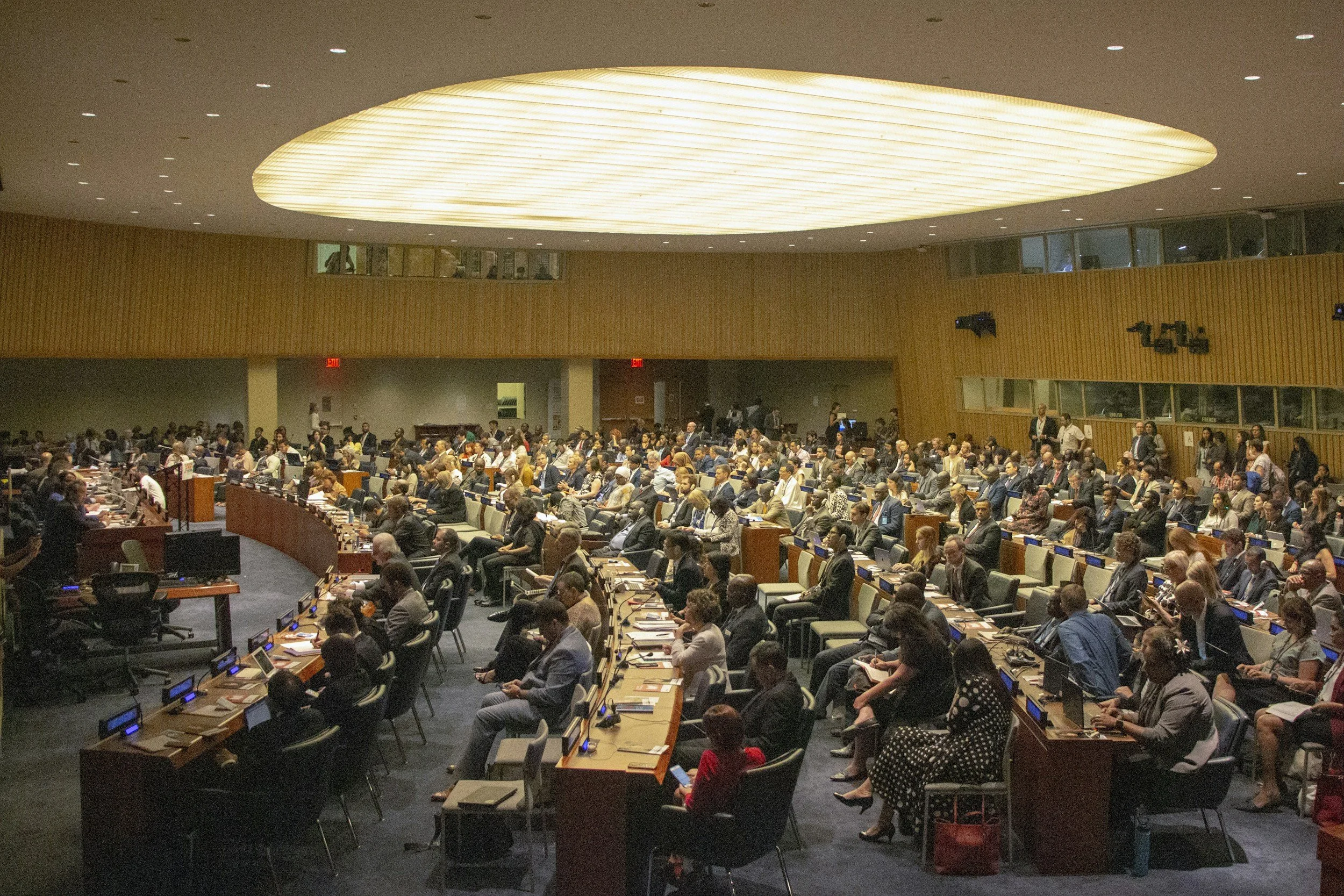
COUNCIL ON THE STATUS OF WOMEN - 69
Our team provided two presentations at the CSW 69 meeting of the United Nations in March, 2025. Educating Women: Unlocking Global Potential and Overcoming Challenges Worldwide Global Access to Literacy: Bridging Gaps for All StudentNEW YORK, NY
MARCH 10-14, 2025Geneva 2024
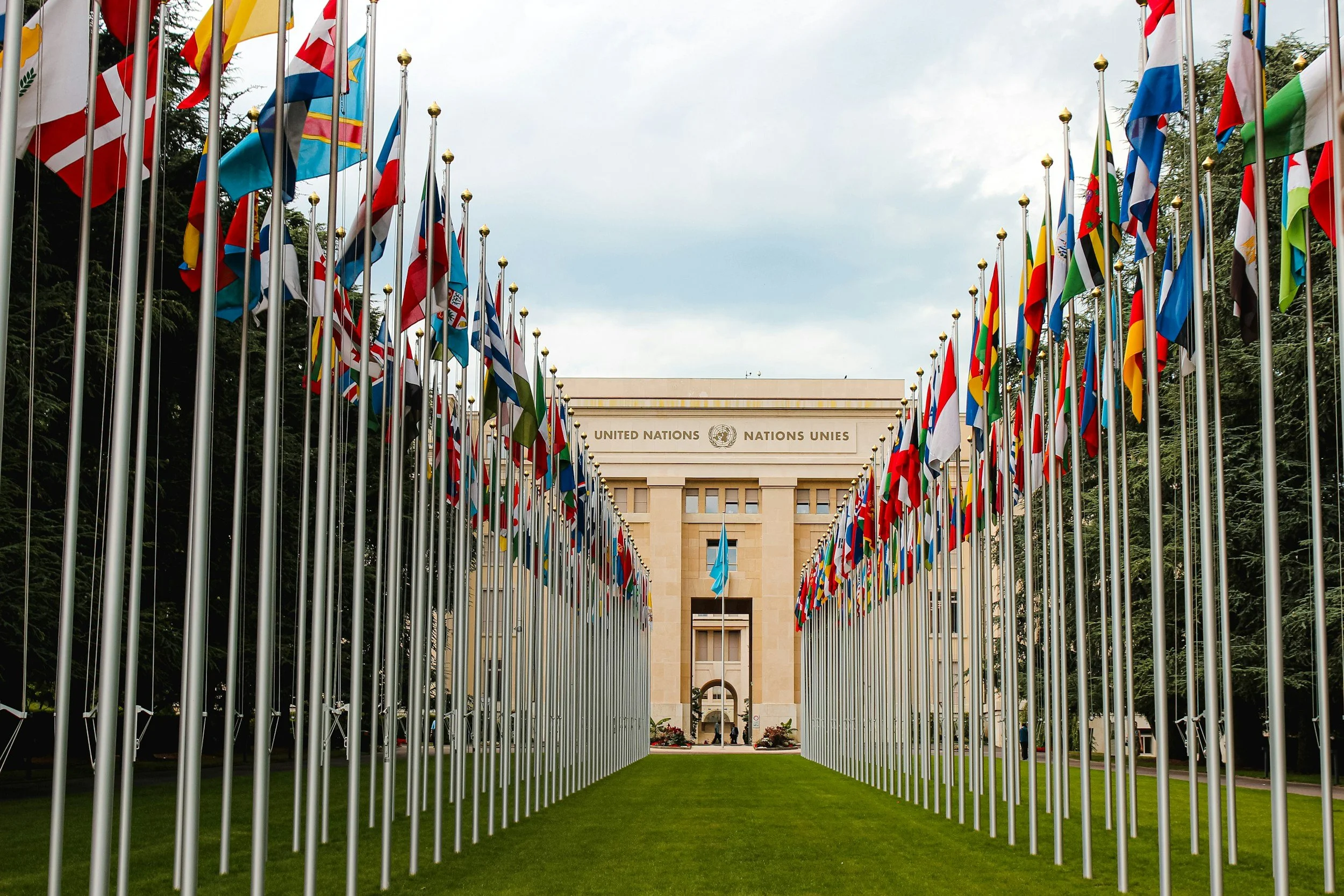
This forum provided civil society an opportunity to exchange their views and practices for more effective cooperation with local bodies and governments. Many interactive workshops were held, addressing the 12 critical concerns of the Beijing Platform for Action, including a workshop on education, in which participation was significant. The BPFA highlights lifelong quality education and training as essential for the development of women and girls. The Commission on the Status of Women (CSW) emphasized the importance of lifelong learning, updated curricula, and reskilling/upskilling. The theme for the workshop was "Education and Training of Women" and it featured key recommendations for improvement through Immediate, Intermediate, and Long-term actions. These three key topics included quality and continuing education, teacher education, and digital education. During the workshop, we stressed the need to ensure inclusive education and raise awareness of the importance of lifelong learning for all women and girls, especially in STEM and digital literacy. Challenges to achieving quality and continuing education were identified, such as cultural norms, gender bias, and the lack of safe and accessible schools. The necessity of educators, including teachers, facilitators, and trainers, in ensuring high-quality education was also highlighted. Some of the obstacles to teacher education include an insufficient number of qualified teachers, difficult working conditions, cyberbullying, undervalued status, pay inequity, and a lack of awareness about the need for improvement. The importance of advancing digital literacy to enable women and girls to engage in online knowledge and information sharing, digital entrepreneurship, and remote work was also discussed. Negative social norms, gender discrimination, skill development stereotyping, and concerns about digital technology safety prevent many women and girls from acquiring digital skills. Several action points were recommended at the workshop, such as increasing financing and resources for educational and training needs, addressing the global shortage of teachers, implementing lifelong learning for all women and girls, including teachers, facilitating the transition of women into new occupations through lifelong educational initiatives, and equipping all women and girls with the tools and support needed to lead and innovate in the digital world. In the workshop's interactive part, participants exchanged ideas and practices on education and training in different countries and societies. Emerging themes for the workshop included the following: - Importance of Teacher Self-Awareness: Teachers need to be mindful of their attitudes and adapt their approach to support students effectively; - Role of Parents and Community: Involving parents and the community is crucial for a supportive learning environment and addressing challenges like mental health; - Focus on Gender Equality and Bias: Educators should be trained to tackle stereotypes and foster a more inclusive classroom; - Encouraging Emotional and Critical Thinking Skills: Developing these skills is essential for preparing students for the future; - Systemic Inequities in Teaching: The teaching profession faces systemic barriers, including racism, underfunding, and poor infrastructure, especially in marginalized and indigenous communities. These issues limit access to resources and impact the quality of education; - Gender Disparities in the Profession: Teaching is often seen as a feminized field, contributing to pay gaps, limited career advancement opportunities, and a low societal status for educators. This is particularly evident in Early Childhood Education (ECE), where there are very few male teachers, reinforcing traditional gender roles; - Balancing Work and Personal Life: Many female teachers juggle work and family responsibilities, which restricts their advancement and professional development opportunities. This imbalance often affects their ability to pursue higher pay and leadership roles within the field;- Variability of Teacher Status Across Regions: Teacher status and opportunities differ greatly between regions. In countries like the UK, teachers face structural challenges that hinder access to proper training, while other European countries may offer more support and flexibility for professional growth. Finally, one conclusion became clear: there is a significant need for financing, positive involvement, and cooperation from governments, organizations, and individuals to advance quality lifelong education and training for all women and girls. Support for Communities of Practice
In 1987 The Supreme Court of the United States ruled that women could be members of all service clubs, the genesis of which began with the Rotary Club in Duarte, California. As ground zero for the discrimination case that changed how service clubs could accept members, Dr. Donna Elder, and a female colleague, were front and center in this landmark case.